The Smell of Music and the Sound of Scent
An art installation exploring the emotional translation between scent and sound.
An olfactory–sound art installation created with Simon Knight and invited olfactory artists and musicians, presented in Berlin Kreuzberg. The work revolves around two mirrored creation processes.
I composed a happy scent as an autonomous emotional state; a composer created a musical piece in response to it. The second pair began with a sad musical work; I composed the corresponding scent from the emotion carried by the music. Additional contributors added further single-emotion pairs that expanded the installation.
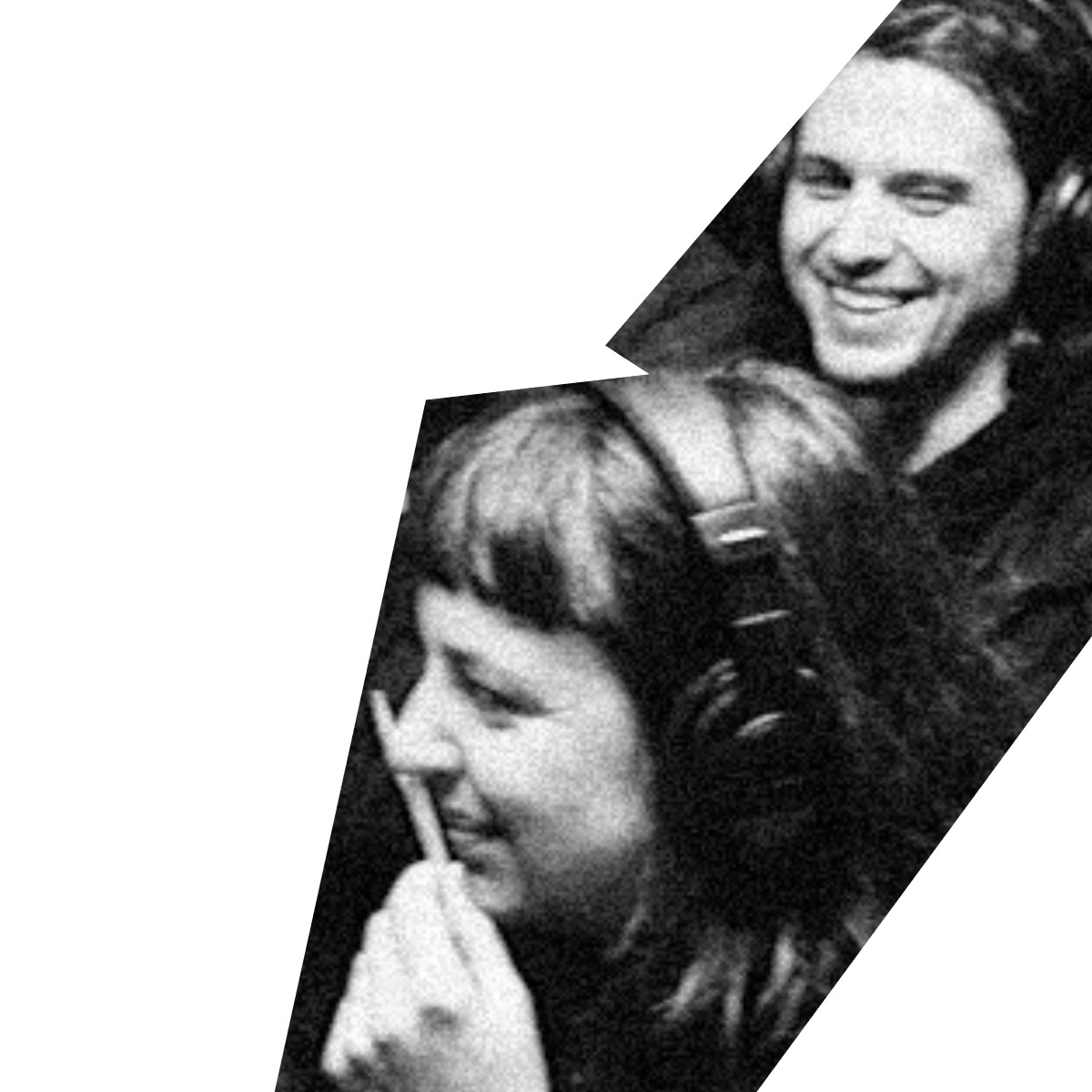
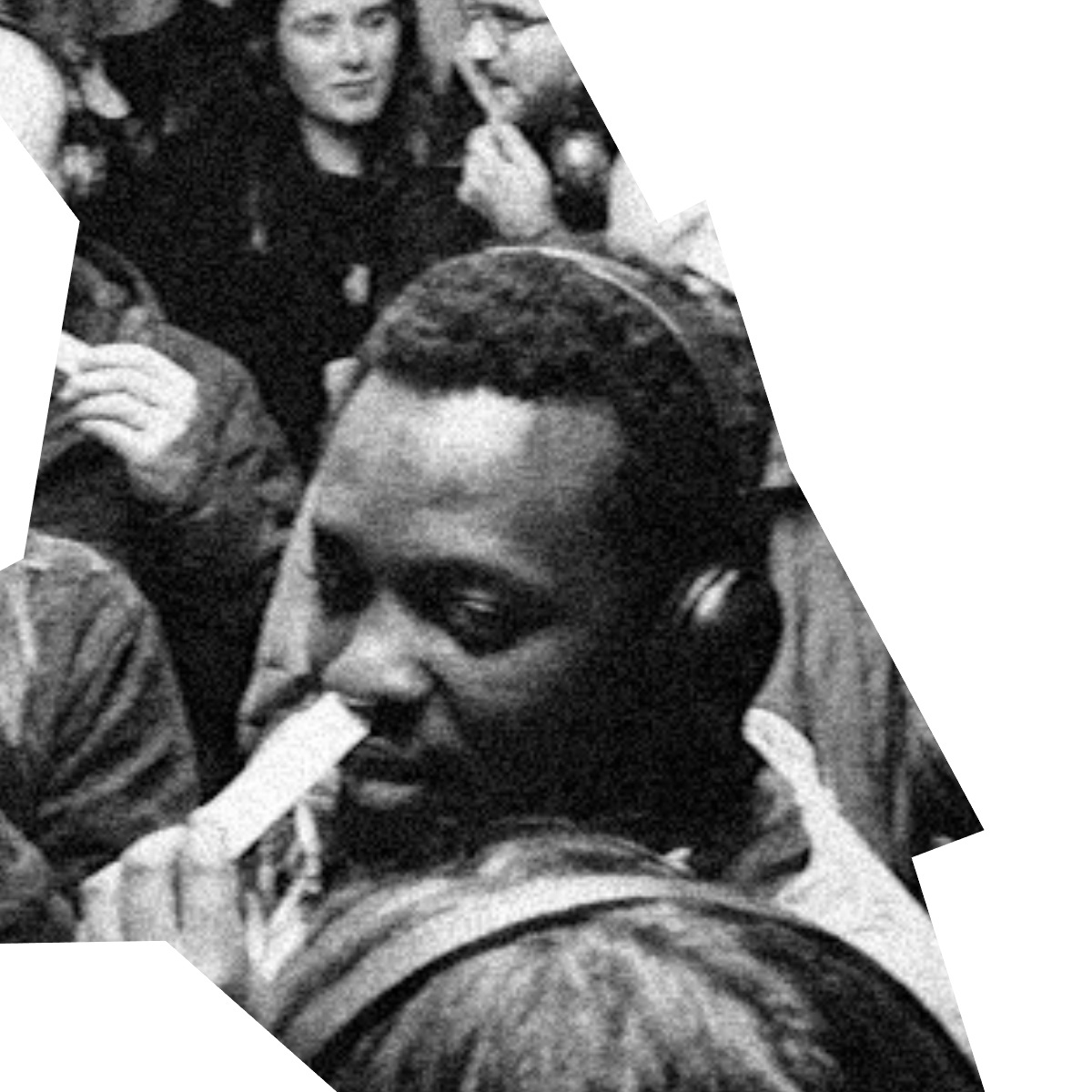
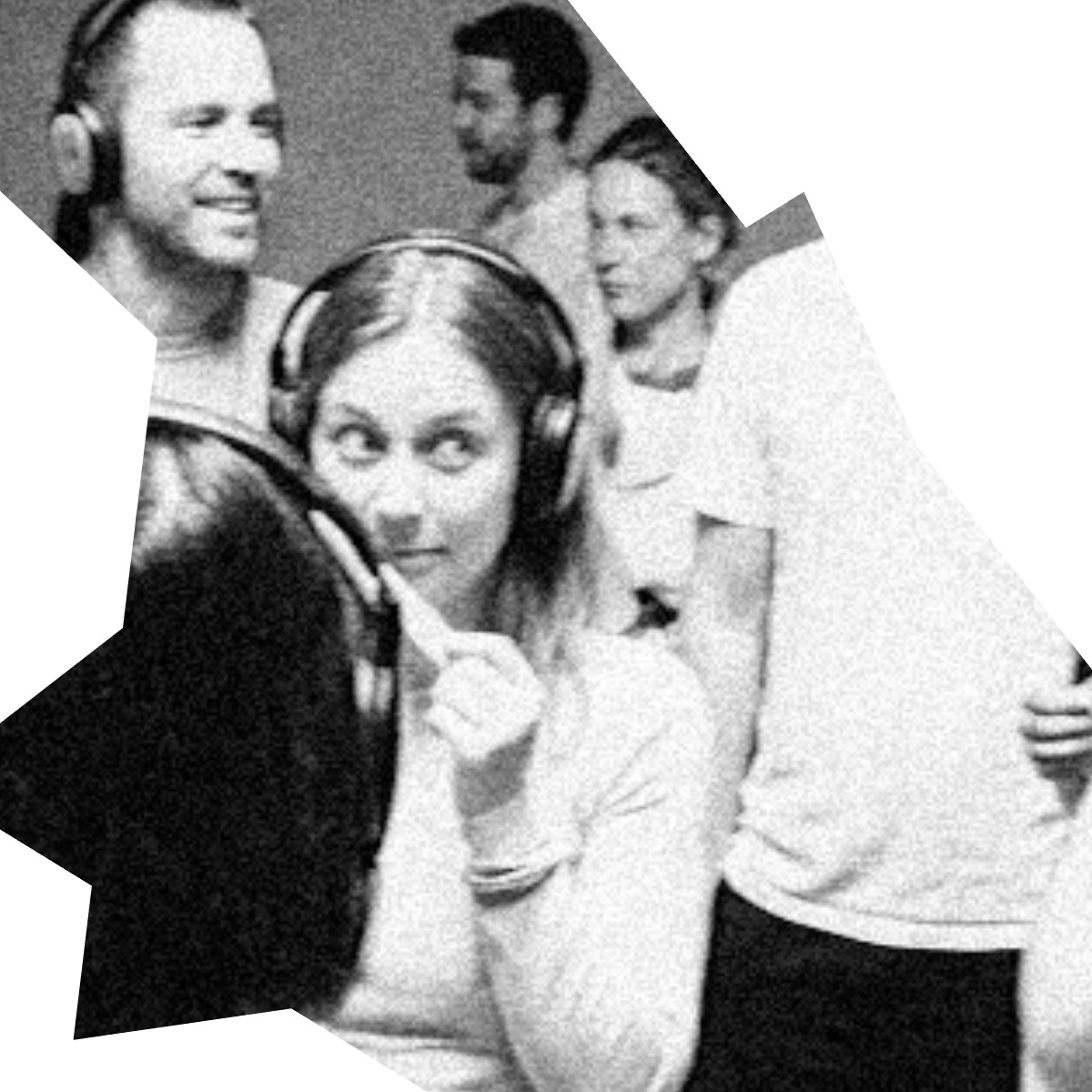
Visitors listened through headphones while smelling the paired scent. The responses were unexpectedly strong. The combination produced reactions that were described as unexpectedly direct, “too real,” and difficult to step out of. The added modality added context: it narrowed ambiguity, aligned interpretation, and intensified the emotional impact beyond what music or scent achieved in isolation.
This installation showed that scent can initiate a musical form and music can initiate an olfactory one, and that emotion can migrate between them in a controlled way.
The Research Process
Cross-Cultural Research on Emotional Scents
A significant part of the project involved the research process for developing the scents, which highlighted the challenges of creating universally emotional olfactory experiences due to cultural variance.
A significant part of the project involved the research process for developing the scents, which highlighted the challenges of creating universally emotional olfactory experiences due to cultural variance.
I developed both scents through interviews before I started the compositions. I asked people from different cultural backgrounds which smells they connect to happiness and which to sadness.
Sad Scent (Convergence)
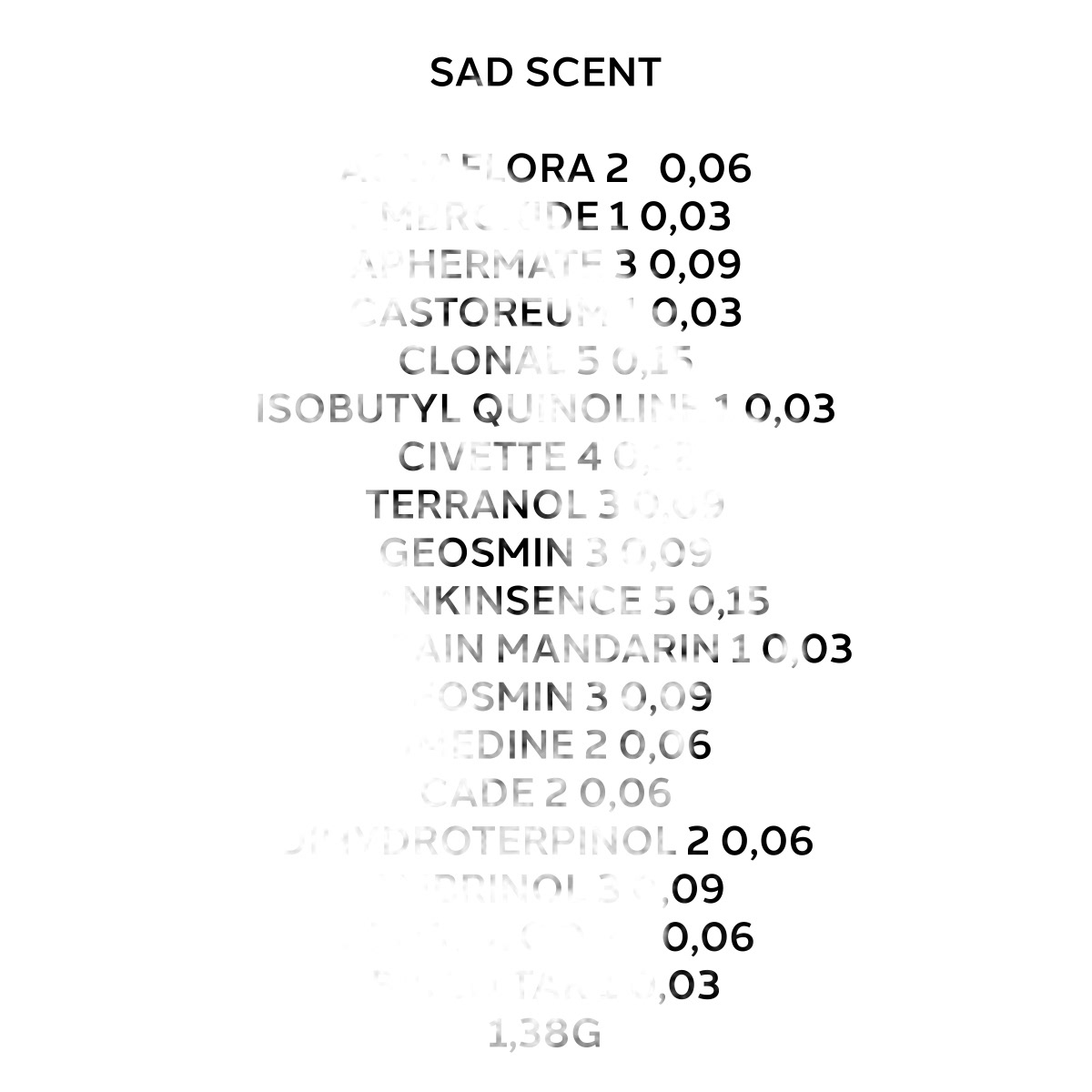
The research for the sad scent showed a strong cross-cultural convergence of descriptions.
The common elements were consistently described as dark, wet, and cold. Specific examples included rain, night streets, gasoline, a trace of urine, a splatter of blood, cold concrete, and metal. This material formed the base of the sad scent.
Happy Scent (Divergence and Universal Structure)
The happy scent was the difficult one. Western answers circled around mowed grass, Christmas trees, vanilla, cinnamon, sun cream, beaches. None of this worked in the far east. What feels happy in one culture feels neutral or even sad in another. Western “happy smells” came from childhood, holidays, weather, religion, and seasonal rituals that do not exist elsewhere. Eastern responses inverted some of them completely.
The biggest reversal was incense: in western contexts it was linked to funerals, in eastern contexts to celebration.
I had to discard everything tied to local habits, religion, or childhood memories. The only shared ground across cultures was brightness. This abstract, universal structure was defined by sensory qualities such as warmth on the skin, sunlight, open air, and a yellow or orange feeling, which formed the basis of the final happy scent. Not Christmas, not cookies, not linden blossom.

Conclusion
Narrowing Ambiguity:
Music, while powerful, is inherently abstract and open to interpretation. The addition of a specifically composed scent acts as a sensory anchor, dramatically reducing the ambiguity of the musical piece. For example, a minor-key composition might evoke sadness, nostalgia, or peaceful melancholy. When paired with the “sad scent” (dark, wet, cold), the interpretation is forcefully aligned toward a specific, intense form of sadness.
Visceral Universality:
Negative emotions may be more closely tied to primal, survival-related sensory cues that transcend cultural learning. This suggests a potential for universally effective "warning" or "distress" sensory signals.
Abstract Universality:
Positive emotions require a design approach that abstracts beyond objects and rituals. The successful "brightness" structure (warmth, sunlight, yellow/orange feeling) demonstrates that universal positive design must focus on abstract sensory qualities rather than concrete, learned associations.
Intensification of Experience:
The reported visitor reactions “too real” and “difficult to step out of” underscore the power of multisensory congruence. When two distinct sensory inputs converge on the same emotional state, the resulting experience is not merely additive, but synergistic and hyper-real. This suggests that multisensory design can be used to create experiences with a significantly higher emotional fidelity and impact than any single modality alone.
A New Design Language:
The successful two-way translation (Scent > Music and Music > Scent) establishes a proof-of-concept for a cross-modal design language. It suggests that designers can use one sense (e.g., olfaction) as a compositional blueprint for another (e.g., audition), opening up new avenues for designing immersive environments, therapeutic tools, and experiential branding.
©Carolin Vedder, Berlin 2019